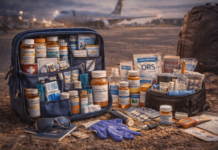


After a nuclear attack, survival does not end when the blast and immediate fallout pass. For those who are sheltered properly and live through the initial danger, the next challenge is supporting the body as it recovers from stress, contamination risk, and possible radiation exposure. Food does not cure radiation injury, but what you eat can strongly influence how well your body repairs, detoxifies, and regains strength.
This article focuses on nutritional support, not medical treatment. Anyone with suspected radiation sickness must seek medical care when available.
First, Understand What Food Can and Cannot Do
Food cannot “neutralize” radiation already absorbed. There is no diet that makes radiation disappear. What food can do is support the systems your body uses to recover: the immune system, digestive tract, blood production, liver detox pathways, and antioxidant defenses.
Nutrition is about recovery, not immunity from exposure.
The Golden Rule: Eat Only Safe, Uncontaminated Food
Before thinking about nutrients, safety comes first.
Only consume food that was sealed, stored indoors, or protected from fallout. This includes canned foods, packaged dry foods, bottled water, and food stored deep inside buildings. Avoid fresh produce, open grains, exposed water, milk from animals, or anything that may have collected radioactive dust.
If food safety is uncertain, do not eat it.
Hydration Comes Before Calories
Radiation stress and shock strain the body and increase dehydration risk.
Drink clean, sealed water regularly. Use oral rehydration salts or electrolyte solutions if available. Proper hydration supports circulation, kidney function, and toxin elimination.
Dehydration slows recovery more than hunger.
Foods That Support Blood and Cell Repair
Radiation exposure can affect bone marrow and blood cell production. Nutrients that support this process are essential.
Protein-rich foods help repair tissues and support immune cells. Choose canned meats, fish, beans, lentils, powdered eggs, or shelf-stable protein sources. Iron-rich foods support red blood cell recovery. These include beans, lentils, canned meats, and fortified grains. Vitamin B12 and folate are critical for blood formation and are found in animal proteins, fortified cereals, and legumes.
Protein is not optional during recovery.
Antioxidant-Rich Foods: Cellular Defense Support
Radiation exposure increases oxidative stress in the body. Antioxidants help reduce cellular damage over time.
Vitamin C supports immune function and tissue repair. Look for canned fruits, fruit juices from sealed containers, or vitamin C supplements if available. Vitamin E supports cell membranes and is found in nuts, seeds, and vegetable oils. Selenium and zinc support immune recovery and can be found in canned fish, meat, legumes, and whole grains.
These nutrients do not block radiation, but they support the body’s natural repair mechanisms.
Foods That Support the Gut and Immune System
The digestive system is especially sensitive to stress and radiation.
Eat easily digestible foods at first: rice, oats, soups, and soft grains. Avoid heavy, greasy foods early on. If available, probiotics or fermented foods from sealed sources can help restore gut balance. Fiber supports toxin elimination, but introduce it slowly to avoid digestive stress.
A stable gut supports immunity and nutrient absorption.
Foods That Support the Liver’s Detox Role
The liver plays a key role in processing waste products created during cellular repair.
Foods that support liver function include whole grains, legumes, garlic, onions, and cruciferous vegetables if they are from safe, sealed sources. Green tea, if available and uncontaminated, provides antioxidant support.
Avoid alcohol entirely. The liver needs support, not extra burden.
Iodine: Only If Directed
Potassium iodide (KI) is sometimes used to protect the thyroid from radioactive iodine, but it must be taken only when advised by authorities. Do not self-dose with iodine-rich foods or supplements unless instructed. Incorrect use can cause harm, especially in children and the elderly.
More iodine is not better. Timing and guidance matter.
What to Avoid During Recovery
Avoid alcohol, as it suppresses immune function and strains the liver. Avoid highly processed junk foods that provide calories without nutrients. Avoid foods that increase inflammation, dehydration, or digestive distress. Avoid any food that may be contaminated, even if you are hungry.
Hunger is safer than contamination.
Eating Strategy After Exposure
Eat small, frequent meals instead of large portions. This supports digestion and energy stability. Prioritize hydration and protein first, then add carbohydrates and fats gradually. Rest between meals. The body heals more efficiently when energy is conserved.
Recovery is slow, not dramatic.
Mental Health and Nutrition
Stress and fear reduce appetite, but eating is essential for recovery. Warm foods, familiar flavors, and simple routines help stabilize both mind and body. Nutrition supports mental clarity as much as physical repair.
Final Thought
After a nuclear attack, food becomes part of recovery, not comfort. It supports resilience quietly, meal by meal. You do not need exotic supplements or extreme diets. You need safe food, clean water, protein, antioxidants, and patience.
Your body knows how to heal.
Nutrition gives it the tools.