

One Kit Does Not Fit All
Emergency preparedness becomes truly effective only when it reflects who you are responsible for and the situations you are most likely to face. A single generic kit is rarely enough. Children, elderly parents, travelers, and households facing extended outages all have very different medical risks. Tailoring your emergency medication checklist means fewer surprises, safer decisions, and calmer responses when stress is high.
For Children: Small Bodies, Fast Changes
Children dehydrate faster, spike fevers quicker, and cannot always explain what they feel. Their emergency medication needs must be precise and age-appropriate.
Always include weight-based pain and fever reducers in liquid form, with a dosing syringe clearly labeled for each child. Oral rehydration salts are essential, as diarrhea or vomiting can become dangerous in hours. Antihistamines suitable for children help with allergic reactions, insect bites, or unexpected food exposure. If a child has asthma, inhalers and spacers are non-negotiable. Teething gel, diaper rash cream, or eczema ointments may seem minor but can prevent distress from escalating.
Important reminder:
Never guess dosages for children. Keep printed dosing charts with the kit.
For Elderly Parents: Stability and Continuity
Elderly adults are more vulnerable to medication interruptions, dehydration, and temperature extremes. Their emergency checklist must prioritize continuity.
Include at least a two-week supply of all prescription medications, especially for heart conditions, blood pressure, diabetes, thyroid disorders, and neurological issues. Add glucose tablets or fast-acting sugar for diabetics. Stock oral rehydration salts and low-sodium electrolyte options if recommended by a doctor. Pain relievers safe for seniors, stool softeners, and antacids can prevent small discomforts from becoming serious complications.
Visual aids matter. Include large-print medication lists, clear labeling, and simple instructions. Hearing aid batteries, spare glasses, and mobility supports often matter as much as pills.
Key principle:
Missed medication is one of the most common emergency hospital triggers for seniors.
For Travel: Compact, Portable, and Border-Safe
Travel emergencies are unpredictable and often happen far from familiar healthcare systems.
Carry prescription medications in original containers with copies of prescriptions. Include pain and fever reducers, anti-diarrheal medication, motion sickness tablets, antihistamines, and oral rehydration salts. Water purification tablets are critical in areas with uncertain water quality. A small thermometer and blister care supplies can prevent minor issues from ruining a trip.
If traveling internationally, check medication legality in advance. Some common drugs are restricted in certain countries.
Travel rule:
If losing access to a pharmacy would cause harm, pack it.
For Natural Disasters: Disruption and Delays
Floods, hurricanes, earthquakes, and wildfires often disrupt power, water, and transportation simultaneously.
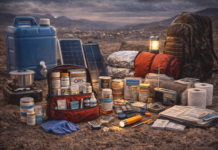
Focus on medications that prevent dehydration, infection, and fever. Oral rehydration salts, water purification tablets, pain and fever reducers, and wound care supplies are essential. Keep medications in waterproof, fire-resistant containers. If refrigeration is needed, include insulated storage and cold packs.
Prepare for delays. Emergency response may take days, not hours.
Disaster reality:
Clean water and medication continuity matter more than food in the first 72 hours.
For Long-Term Outages: Endurance Over Days or Weeks
Extended power outages or infrastructure failures require thinking beyond short emergencies.
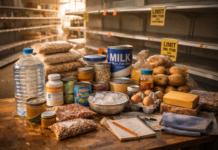
Rotate medications regularly to avoid expiration. Stock extra oral rehydration salts, electrolyte supplies, and chronic condition medications. Include written instructions for homemade oral rehydration solution as a backup. Plan alternatives for refrigerated medications. Keep paper copies of medical records, prescriptions, and emergency contacts.
Mental and physical fatigue increase over time. Pain management, sleep support recommended by a doctor, and digestive aids can prevent decline.
Long-term survival principle:
The goal is stability, not comfort.
What Never Changes Across Any Scenario
No matter the situation, some rules are universal.
Do not include homemade pills, unverified supplements, or herbal replacements for medication. Do not store expired or unlabeled drugs. Do not experiment during emergencies. Clear instructions, accurate dosing, and proven solutions save lives.
Final Thought
Preparedness is not about fear or excess. It is about precision. A tailored emergency medication checklist respects the real needs of the people you love and the situations you may face.
The most powerful emergency tool is not a rare drug. It is the right medication, in the right dose, at the right time.