

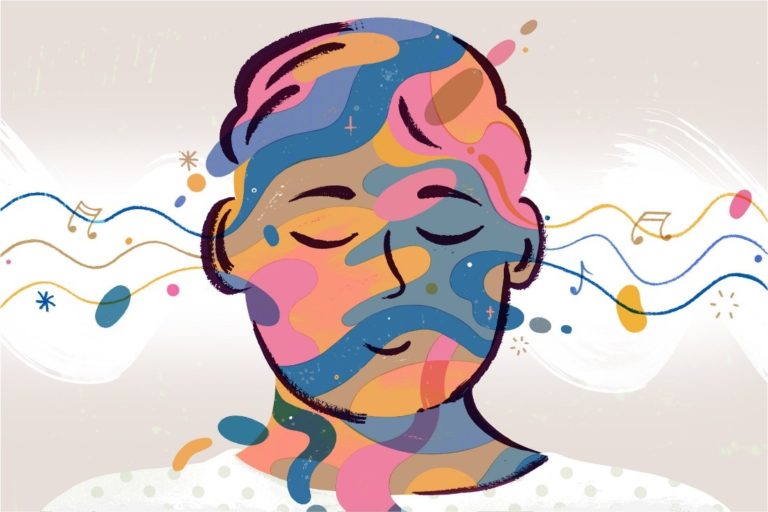
Streaming culture vs storytelling in music
For decades, the album was the ultimate artistic statement in music. It wasn’t just a collection of songs. It was a journey. An emotional arc. A beginning, middle, and end designed to be experienced in order. Today, in the age of playlists, algorithms, and endless skips, that experience feels increasingly rare.
Many declared the album dead.
But its disappearance may be exactly what brings it back.
How Streaming Changed the Way We Listen
Streaming transformed music from an event into a stream. Songs became isolated units optimized for immediate engagement. The first seconds mattered more than the final track. Skips mattered more than cohesion.
Albums lost their functional purpose.
Why commit to a full narrative when the listener may leave after 30 seconds?
Singles Over Stories
Streaming rewards consistency and frequency. Artists release singles to stay visible. Algorithms favor familiarity. Playlists dominate discovery.
This encourages bite-sized music rather than long-form storytelling.
The result is a shift from albums as worlds to songs as products.
The Loss of Narrative Flow
Albums once carried emotional progression. Track order mattered. Transitions mattered. Interludes mattered. Listening was intentional.
In streaming culture, context collapses.
Songs live next to strangers in playlists. Their meaning shifts. The story dissolves.
Why Artists Still Care About Albums
Despite the system, many artists still crave the album format. It offers creative control, thematic depth, and identity. Albums allow musicians to say something complete rather than something catchy.
They offer permanence in a disposable environment.
For artists, albums are legacy.
Listener Fatigue With Endless Choice
Paradoxically, infinite choice has created exhaustion. Playlists blur together. Songs become background noise. Nothing feels anchored.
Some listeners crave depth again.
They want to enter a world rather than scroll through sound.
The Album as Resistance
Releasing a full album today can be an act of resistance. It asks listeners to slow down, to stay, to engage fully. It challenges the attention economy.
In this way, albums become statements, not strategies.
They prioritize meaning over metrics.
Concept Albums and Identity
When albums return, they often do so as concepts. Unified themes, visuals, and emotional arcs create a sense of intention. The album becomes more than music.
It becomes identity.
In a fragmented digital world, cohesion feels radical.
Vinyl, Physical Media, and Ritual
The revival of vinyl reflects a desire for ritual. Putting on a record, flipping sides, reading liner notes. These acts restore attention.
Physical albums ask for presence.
They slow listening down.
Why Albums Might Matter More Now
In a culture dominated by fragments, long-form storytelling stands out. Albums offer emotional continuity. They allow complexity without interruption.
They don’t need to go viral.
They need to endure.
A Shift in How Albums Exist
Albums may not return as mainstream default, but they may evolve into something more intentional. Fewer albums, but more meaningful ones. Less constant output, more deliberate release.
Quality replaces quantity.
Not a Nostalgia Cycle
The album’s potential return is not about longing for the past. It’s about responding to the present. As music becomes more transactional, listeners and artists alike seek meaning.
The album offers that.
The Story Isn’t Over
The album never truly died. It was sidelined by convenience and speed. But storytelling has a way of resurfacing when people need it most.
In an age of endless sound, silence between tracks matters again.
And in a world of singles, the album waits quietly, ready to be heard as a whole.


xgfd37
vj0qm9
aad0n0