

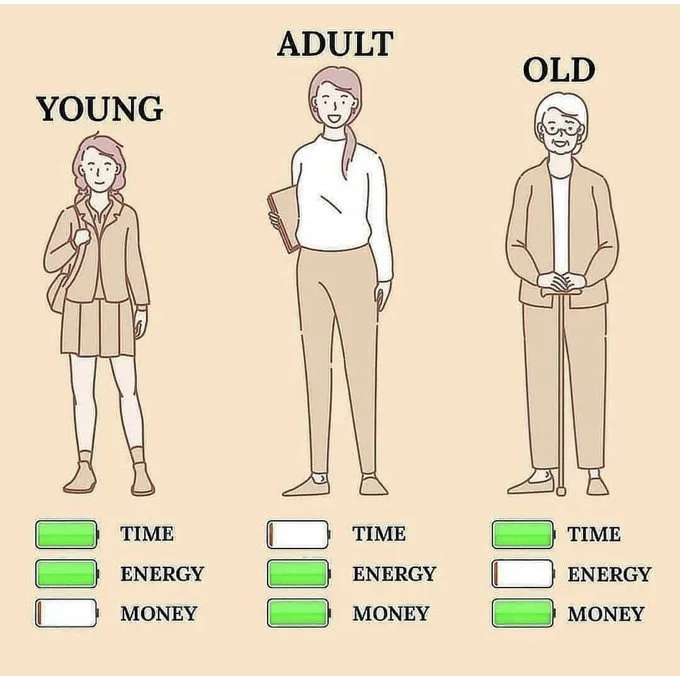
The idea of a “comfortable life” means different things at different ages, but one truth stays constant: comfort in the United States is less about luxury and more about security. Housing, healthcare, mobility, and time freedom shape what comfort actually feels like. Saving isn’t just about retirement. It’s about buying stability at every stage of life.
What changes is not only how much you need to save, but why you’re saving at all.
Comfort Means Different Things at Different Ages
A comfortable life for a young person often means flexibility and independence. For an adult, it means stability and options. For an older person, it means security, healthcare access, and peace of mind.
The mistake many people make is thinking comfort starts at retirement. In reality, it’s cumulative.
Young Adults (Ages ~20–35): Buying Time and Flexibility
At this stage, comfort is not about wealth. It’s about resilience.
A young adult in the U.S. is considered financially comfortable when they have:
-
3–6 months of living expenses saved as an emergency fund
-
no high-interest debt controlling monthly life
-
the ability to handle unexpected costs without panic
In practical terms, this usually means saving $15,000–$40,000, depending on city and lifestyle.
This is not retirement money. This is life-buffer money.
Long-term savings should also begin here. Even small, consistent retirement contributions matter more in this phase than large amounts later. A reasonable target is saving 10–15% of income, even if the numbers feel modest.
At this age, comfort equals freedom to change jobs, move cities, or pause without collapse.
Adults (Ages ~35–55): Buying Stability and Choice
This phase carries the heaviest financial pressure. Housing, children, healthcare, and career responsibility peak here. Comfort now means predictability.
A financially comfortable adult typically has:
-
a fully funded emergency reserve
-
manageable or declining debt
-
retirement savings that are clearly growing
-
insurance coverage that protects against major shocks
By midlife, many financial planners estimate that a comfortable position means having 1.5x to 3x your annual income saved for long-term goals, primarily retirement.
In dollar terms, this often lands between $200,000 and $600,000 in combined savings and investments, depending on income and location.
This is the stage where saving becomes less about possibility and more about protection.
Comfort here means not living one paycheck or one medical bill away from crisis.
Older Adults (Ages ~55+): Buying Security and Dignity
Later in life, comfort is defined by stability and healthcare. The biggest fear is not luxury loss, but dependence.
In the U.S., a commonly cited guideline is the ability to replace 70–80% of pre-retirement income through savings, pensions, and Social Security.
For many households, this means total retirement savings of:
-
$800,000–$1.5 million for a modest but comfortable retirement
-
more in high-cost states or for longer life expectancy
This number sounds overwhelming, but it reflects long lifespans and healthcare costs more than extravagance.
Comfort here means:
-
choosing when to stop working
-
accessing healthcare without fear
-
maintaining housing stability
-
not being a financial burden on family
Why These Numbers Feel So High
The U.S. places more financial responsibility on individuals than many other countries. Healthcare, education, and retirement are less publicly guaranteed. As a result, “comfort” requires more personal savings.
This is not about failure or poor planning. It is structural.
What Matters More Than the Exact Number
Exact figures vary wildly by city, health, family structure, and lifestyle. What matters more is trajectory.
Comfort comes from:
-
consistent saving, even when imperfect
-
avoiding catastrophic debt
-
planning for healthcare early
-
understanding that saving is about reducing fear, not chasing wealth
A person who saves steadily but modestly often lives more comfortably than someone who earns more but lives exposed.
The Psychological Side of Comfort
Comfort is not just money in an account. It’s the ability to sleep without constant financial anxiety. It’s knowing that a problem won’t immediately become a disaster.
Saving buys calm.
That calm compounds just like interest.
The Biggest Misunderstanding About Saving
Many people think saving is about becoming rich. In reality, saving is about avoiding vulnerability.
A comfortable life in the U.S. doesn’t require luxury.
It requires buffers.
Time.
Options.
And those are built slowly, not suddenly.
The Bottom Line
-
Young adults save to gain flexibility and reduce fear
-
Adults save to stabilize life and protect dependents
-
Older adults save to preserve dignity and independence
Comfort is not one number you reach. It’s a condition you build.
And the earlier you understand that saving is about security rather than success, the more achievable a comfortable life becomes at every age.