

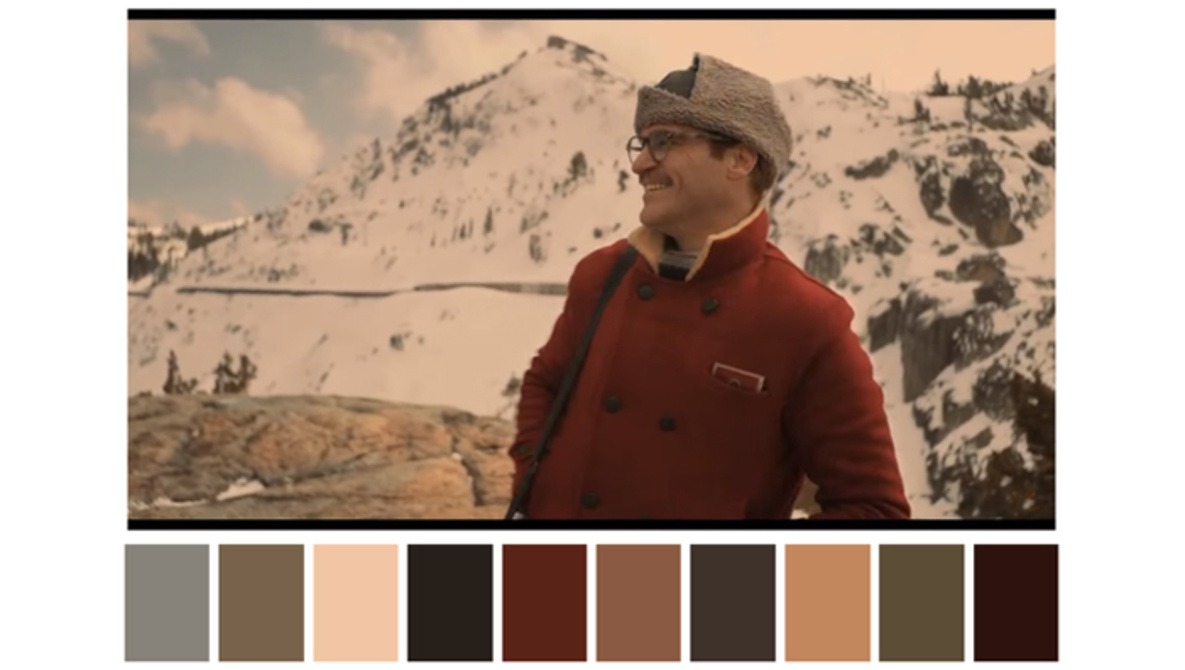
Before a character speaks, before music rises, before the story explains itself, color has already decided how you will feel. It works quietly, instantly, and almost always without consent. Color is one of cinema’s most effective tools of emotional manipulation, not because it deceives, but because it communicates faster than thought.
Audiences don’t analyze color.
They absorb it.
Why Color Reaches Emotion First
The human brain processes color before language and conscious reasoning. Warm tones trigger comfort or intimacy. Cool tones suggest distance or unease. High contrast increases tension. Muted palettes suggest seriousness or loss.
These reactions are instinctive.
By the time the audience understands a scene intellectually, color has already framed the emotional response.
Emotional Instructions in Visual Form
Color functions like a set of emotional instructions. It tells the audience when to relax, when to feel threatened, when to trust a character, and when to doubt them.
A warmly lit character feels safe.
A coldly lit character feels suspicious.
These signals operate even when the story suggests otherwise, creating powerful subtext.
Manipulation Without Resistance
Color manipulation rarely triggers resistance because it doesn’t feel like persuasion. It feels natural. The audience doesn’t feel pushed. They feel guided.
This makes color more effective than dialogue or exposition.
You can argue with words.
You don’t argue with light.
Reinforcing Power and Control
Color often defines who holds power in a scene. Dominant characters are frequently placed in stronger contrast or cleaner light. Vulnerable characters may be surrounded by muted or chaotic tones.
These visual hierarchies shape perception.
The audience senses authority before it is proven.
Color and Moral Framing
Films use color to frame morality subtly. Brightness and clarity suggest honesty. Darkness and shadow suggest deception. Saturation often correlates with emotional truth.
Even morally complex characters are nudged toward interpretation through palette choices.
Color doesn’t tell you who is right.
It tells you who to feel aligned with.
Guiding Tension and Release
Color shifts often accompany narrative tension. As danger approaches, palettes cool or darken. As relief arrives, warmth returns. This rhythm conditions emotional expectation.
The audience anticipates resolution because color signals it.
Suspense is built visually before anything happens.
When Manipulation Becomes Obvious
Overuse of color manipulation can backfire. Heavy-handed grading flattens emotion and reduces trust. When every scene signals intensity, nothing feels intense.
Subtlety preserves power.
The most effective manipulation is the one the audience never notices.
Cultural Conditioning and Color Meaning
Color manipulation is influenced by cultural associations. Red may suggest danger, passion, or power. White may suggest purity or emptiness. Filmmakers rely on shared visual language.
This makes color manipulation both effective and context-dependent.
Meaning is learned, not universal.
Why Audiences Accept It
Audiences accept color manipulation because they want to feel something. Films are emotional experiences by design. Color helps articulate feelings that might otherwise be confusing or flat.
Manipulation becomes collaboration.
The audience agrees to be guided.
Ethics of Emotional Control
Color manipulation raises ethical questions. When does guidance become coercion? When does emotional framing distort truth?
Cinema has always shaped feeling. Color simply makes that shaping more precise.
Awareness doesn’t remove the effect.
It deepens appreciation.
Color as Silent Authority
Color is cinema’s quiet authority. It shapes emotion without dialogue, music, or explanation. It influences how stories are interpreted and how characters are judged.
It doesn’t ask permission.
It assumes trust.
And because it operates below consciousness, it remains one of the most powerful storytelling tools ever created.
You may not notice color guiding your emotions.
But it notices you.