

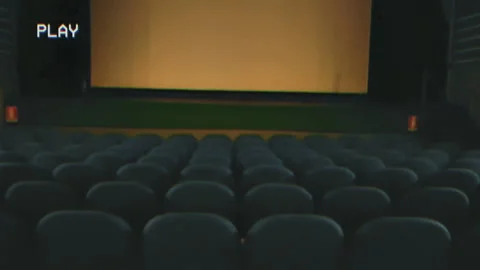
Streaming, speed, and what happens when films are made to fill platforms instead of move people
Once, movies asked for patience. They unfolded slowly, demanded attention, and stayed with audiences long after the credits rolled. Today, films arrive in endless streams, released weekly, sometimes daily, competing not just with other movies but with everything else on the screen. In this environment, a quiet question emerges: are movies still art, or have they become content?
The answer is uncomfortable, because it’s not one or the other. It’s a split.
When Movies Were Events
For much of cinema’s history, a movie was an event. It had a theatrical run, a cultural moment, and a shared experience. People adjusted their schedules to see films. Discussion followed. Memory formed.
Art thrives on presence.
Movies were not rushed. They were allowed to fail slowly, succeed gradually, and grow through conversation.
The Rise of the Content Model
Streaming platforms changed the purpose of movies. Films are now part of a constant flow designed to keep subscribers engaged. Success is measured in views, completion rates, and watch time.
The question shifts from “Did this move someone?” to “Did this hold attention long enough?”
This changes creative priorities. Stories become faster. Openings become louder. Emotional build-up is shortened. Silence becomes risky.
Movies begin to behave like episodes rather than statements.
Speed Over Depth
When production is driven by volume, speed becomes essential. Scripts are optimized for pacing. Scenes are cut before they can breathe. Ambiguity is reduced in favor of clarity and efficiency.
Art requires time, not just to make, but to be felt.
Content is designed to be consumed and replaced.
The Algorithm as Curator
Algorithms now decide what is seen, promoted, and recommended. This creates a feedback loop where familiar structures are rewarded and deviation is penalized.
Originality becomes risk.
Movies that challenge audiences struggle to surface, while predictable formats thrive. This doesn’t eliminate art, but it pushes it to the margins.
What Gets Lost
When movies become content, several things quietly disappear:
-
emotional risk
-
unresolved endings
-
visual experimentation
-
personal voice
The goal becomes satisfaction rather than transformation.
Art doesn’t always satisfy. It unsettles. It lingers. It asks questions without answering them.
Content rarely does.
Are Filmmakers Still Artists?
Many filmmakers are still making art. But they often do so within constraints that prioritize output over expression. Directors become managers of expectations. Vision competes with metrics.
Some adapt. Some resist. Some leave.
Art still exists, but it fights for space.
Audience Behavior Matters Too
Viewers have changed. Multitasking, scrolling, pausing, and background viewing are now common. Movies are often watched partially, casually, or distractedly.
Art asks for attention. Content tolerates distraction.
When attention fragments, emotional impact weakens.
The Films That Break Through
When a film today feels powerful, it’s often because it refuses the content model. It slows down. It risks discomfort. It trusts the audience.
These films remind us that cinema can still move people deeply.
They feel rare because they are.
Not the End, But a Divide
Movies haven’t stopped being art. But the industry increasingly treats them as product. Art survives where intention remains stronger than optimization.
The divide is not between old and new movies. It’s between films made to exist, and films made to perform.
What Comes Next
The future of cinema depends on choice. On whether creators, platforms, and audiences are willing to allow films to be more than background noise.
Art requires permission to matter.
And until movies are given time, trust, and attention again, many will continue to feel less like experiences and more like something to scroll past.
The question isn’t whether movies are still art.
It’s whether we still allow them to be.




42bzcx
rc1472
9rtapk
flqywr
dfo9sh