

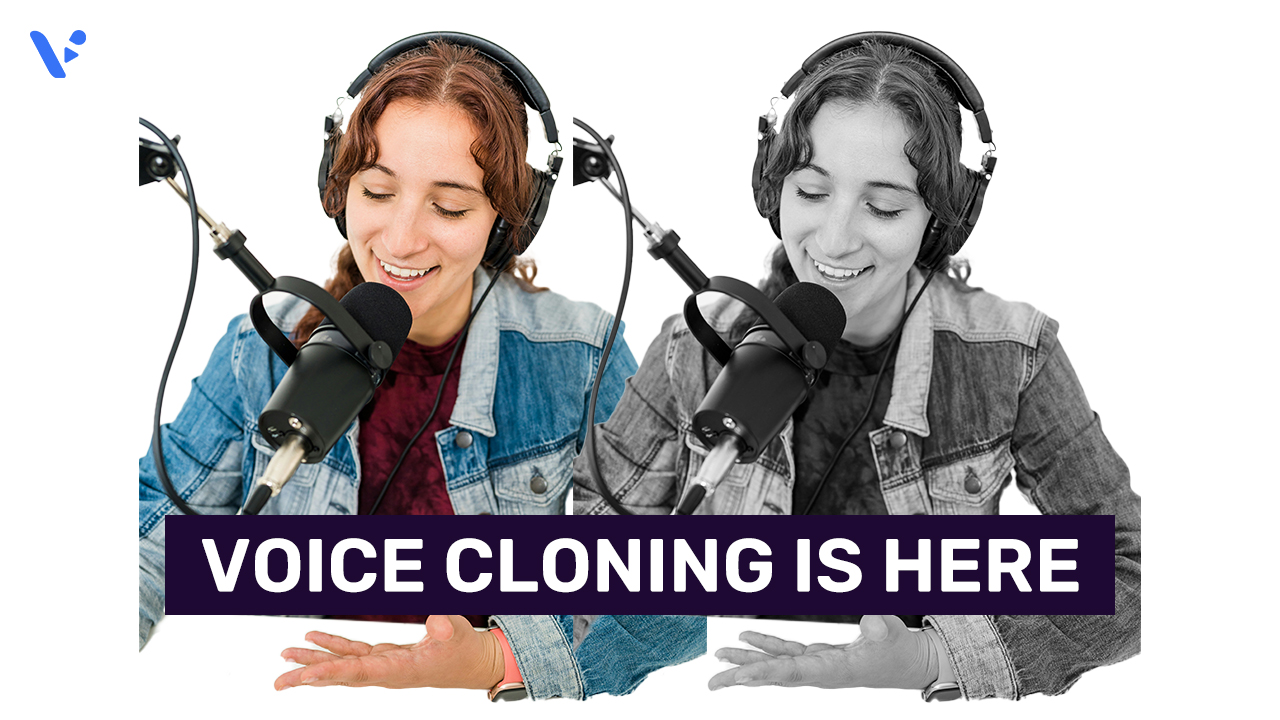
The human voice has always been the most intimate instrument. It carries breath, emotion, memory, and identity. Now, artificial intelligence has learned to listen closely enough to imitate it, reshape it, and sometimes replace it. In music, especially in singing, AI is not just a new tool. It is a quiet disruption of what we believe a voice represents.
AI’s most visible impact on singing is voice synthesis and cloning. With enough data, algorithms can replicate tone, pitch, vibrato, and phrasing so convincingly that the result can sound indistinguishable from a real singer. A voice can sing new melodies, in new languages, without the singer ever entering a studio. For some, this feels like magic. For others, it feels unsettling.
On the creative side, AI has opened doors. Songwriters without strong vocal skills can now hear their compositions fully realized. Producers can test harmonies, melodies, and vocal styles instantly. Independent artists with limited budgets can create polished demos and experimental tracks that once required full studio sessions. In this way, AI democratizes music creation, lowering barriers that once kept many voices unheard.
But singing is not only sound. It is vulnerability. A singer’s voice cracks under emotion. It strains with effort. It carries the fatigue of a long tour or the quiet strength of lived experience. These imperfections are not flaws. They are the signature of humanity. AI-generated vocals can replicate the sound of emotion, but not the emotional cost behind it.
For professional singers, AI raises urgent questions about ownership and consent. A voice is deeply personal. When it can be copied, sampled, and reused indefinitely, who controls it? The concern is not just about lost income, but about identity. A singer’s voice is their fingerprint. When it can be separated from the body and intention behind it, the relationship between artist and audience changes.
At the same time, AI is becoming a collaborator rather than a competitor. Some artists use AI-generated vocals as a starting point, shaping them with their own performances. Others experiment with hybrid tracks, blending human voices with synthetic layers to explore new sonic textures. In these cases, AI becomes an extension of creativity, not its replacement.
Live performance remains a clear boundary. Audiences still crave the unrepeatable moment of a real voice filling a room. No algorithm can recreate the shared silence before a note, the collective breath of a crowd, or the emotional exchange between singer and listener. If anything, AI may increase the value of live singing by reminding us what cannot be replicated.
The future of singing will likely be defined by choice. Artists who embrace AI will use it intentionally. Those who resist it will lean harder into authenticity and presence. Both paths can coexist, as long as transparency and respect remain central.
AI is changing how voices are made, shared, and remembered. But the power of singing has never lived in perfection. It lives in expression. As long as singers continue to tell human stories, the voice, no matter how technology evolves, will remain something no machine can truly own.