
Some disasters roar in with obvious drama—storms that tear roofs away or floods that swallow streets.
Others arrive quietly, not with crashing waves or shaking ground, but with a change in the air itself.
The thermometer climbs higher each day and never drops at night. Or it plunges so low that breath becomes ice and metal bites the skin. At first it feels like “unusual weather.” Then days stretch into weeks, and it becomes clear: this is not just hot or cold. This is an extreme heatwave—or a brutal cold wave—and the world is not built for it.
What are heatwaves and cold waves?
Extreme heatwaves
– Periods of abnormally high temperatures, lasting days or weeks
– Often combined with high humidity, making it feel even hotter
– Nights that don’t cool down, giving the human body no chance to recover
Cold waves
– Spells of unusually low temperatures, sometimes far below what is normal for that region
– Can last days or longer, often accompanied by icy winds and dangerous windchill
– Turn ordinary winter into something much more dangerous
In both cases, the numbers on the thermometer are only part of the story. The real danger lies in how long those numbers stay there—and how unprepared people, crops, and infrastructure are for such extremes.
Heatwaves: when the air becomes a slow-burning threat
Extreme heat doesn’t always look dramatic. The sky can be clear, the wind barely moving, the world almost peaceful. But heatwaves quietly strain everything.
Effects on the human body
– Dehydration and heat exhaustion
– Heatstroke: body temperature rises so high that organs begin to fail
– Worsening of heart and lung conditions
– Increased risk for elderly people, babies, people who work outdoors, and those without access to cooling
In cities, the “urban heat island” effect makes heatwaves worse. Concrete and asphalt absorb heat during the day and release it at night, so temperatures stay high long after sunset. Some neighborhoods, especially those with little shade or green space, become literal heat traps.
Effects on daily life
– Power grids overload as millions of people turn on air conditioning
– Blackouts or brownouts leave entire areas without cooling
– Roads soften and buckle; rail lines warp
– Water demand surges just when reservoirs may already be low
Effects on nature and food
– Crops wilt, dry out, and fail
– Livestock suffer heat stress and dehydration
– Forests and grasslands become tinder for wildfires
– Rivers and lakes warm, stressing fish and aquatic life
Heatwaves turn invisible air into a pressure that weighs on every living thing, day after day.
Cold waves: beauty with teeth
Extreme cold looks more picturesque—snow, frost, glittering ice—but it hides its own brutal edge.
Effects on people
– Frostbite on exposed skin in minutes under strong wind and low temperatures
– Hypothermia: body temperature falling dangerously low
– Increased risk for homeless people or anyone without adequate heating
– Dangerous conditions for drivers, pedestrians, and outdoor workers
Effects on systems
– Heating demand skyrockets, straining gas and electric grids
– Power outages leave homes freezing inside, pipes bursting in walls
– Water mains freeze and break, cutting off safe water supplies
– Transportation slows or collapses: icy roads, grounded flights, frozen rail switches
Effects on nature and food
– Crops can be killed by sudden hard frosts
– Fruit trees and delicate plants suffer permanent damage
– Farm animals face severe stress if shelter and feed are inadequate
Cold waves remind us that warmth is not guaranteed, even in places that think of themselves as “mild” climates.
When the system cracks
Both extremes—heatwaves and cold waves—reveal weaknesses in how societies are built:
– Houses designed for one type of climate suddenly face the opposite extreme
– Aging power grids fail under peak demand
– Poorer communities, often with less insulation, weaker infrastructure, or fewer green spaces, suffer more
– People without cars or safe transportation can’t easily reach cooling centers or warming shelters
These events also expose inequality:
the most vulnerable often live in the hottest apartments, the draftiest homes, and have the least access to relief.
A changing climate and a shifting normal
Heatwaves and cold waves are not new. They’ve always been part of Earth’s climate story. But the pattern is changing.
– Heatwaves in many regions are becoming more frequent, longer, and more intense.
– Some cold waves still happen, but the climate “background” is warmer, shifting what’s considered normal.
The result: record-breaking temperatures—both extreme highs and, at times, strange cold snaps—are less of a rare shock and more of a recurring headline.
We are discovering that the systems we built—our cities, our farms, our power grids, even our daily routines—were designed for a climate that is no longer guaranteed.
How people and cities can fight back
We cannot control the atmosphere directly, but we can control how prepared we are when the air turns hostile.
For extreme heat
– Planting more trees and creating parks to cool cities naturally
– Using reflective or “cool” roofs and lighter building materials
– Designing buildings for airflow, shade, and passive cooling
– Establishing cooling centers where people without air conditioning can find relief
– Adjusting work hours for outdoor laborers and providing shade and hydration
For extreme cold
– Improving home insulation and weatherproofing
– Ensuring reliable backup power or heating options
– Protecting critical infrastructure (pipes, power lines, transport) against deep freezes
– Opening warming shelters, especially for homeless and vulnerable populations
For both
– Strong warning systems and public information campaigns
– Clear plans so people know where to go and what to do before conditions become dangerous
– Supporting neighbors, especially the elderly or isolated, checking in during extreme conditions
Small, simple actions—checking on someone, offering a ride, sharing information—can literally save lives.
The emotional climate
Extreme heatwaves and cold waves don’t just test bodies and systems; they test nerves.
– Parents worrying if the electricity will hold through another blazing night
– Families wrapping themselves in blankets in a freezing house, waiting for the power to come back
– Farmers watching fields fail in drought and heat, or buds die in a late, brutal frost
– People trapped in apartments that are either ovens or iceboxes
These events leave behind not only damaged crops and power bills, but lingering anxiety about the next time the forecast spikes or plunges.
Learning from the sky
Each heatwave and cold wave is a harsh lesson:
– Temperature is not just a number on a screen; it’s a force that can bend or break daily life.
– “Normal” weather is not guaranteed, and design based only on the past may fail in the future.
– The poorest and most vulnerable pay the highest price when the air turns against us.
Yet these extremes also push innovation:
– Smarter, more resilient buildings and cities
– Better forecasting and early-warning systems
– New ways of cooling and heating that don’t overload the planet further
The atmosphere will continue to swing between hot and cold—we live beneath a dynamic sky. The question is not whether extremes will come, but whether we will face them with fragile systems and denial, or with preparation, empathy, and courage.
Heatwaves and cold waves show us that disaster does not always roar. Sometimes it shimmers in the distance, or glitters on the windowsill. And it is in those quiet, relentless days that we discover just how strong—or fragile—our world really is.
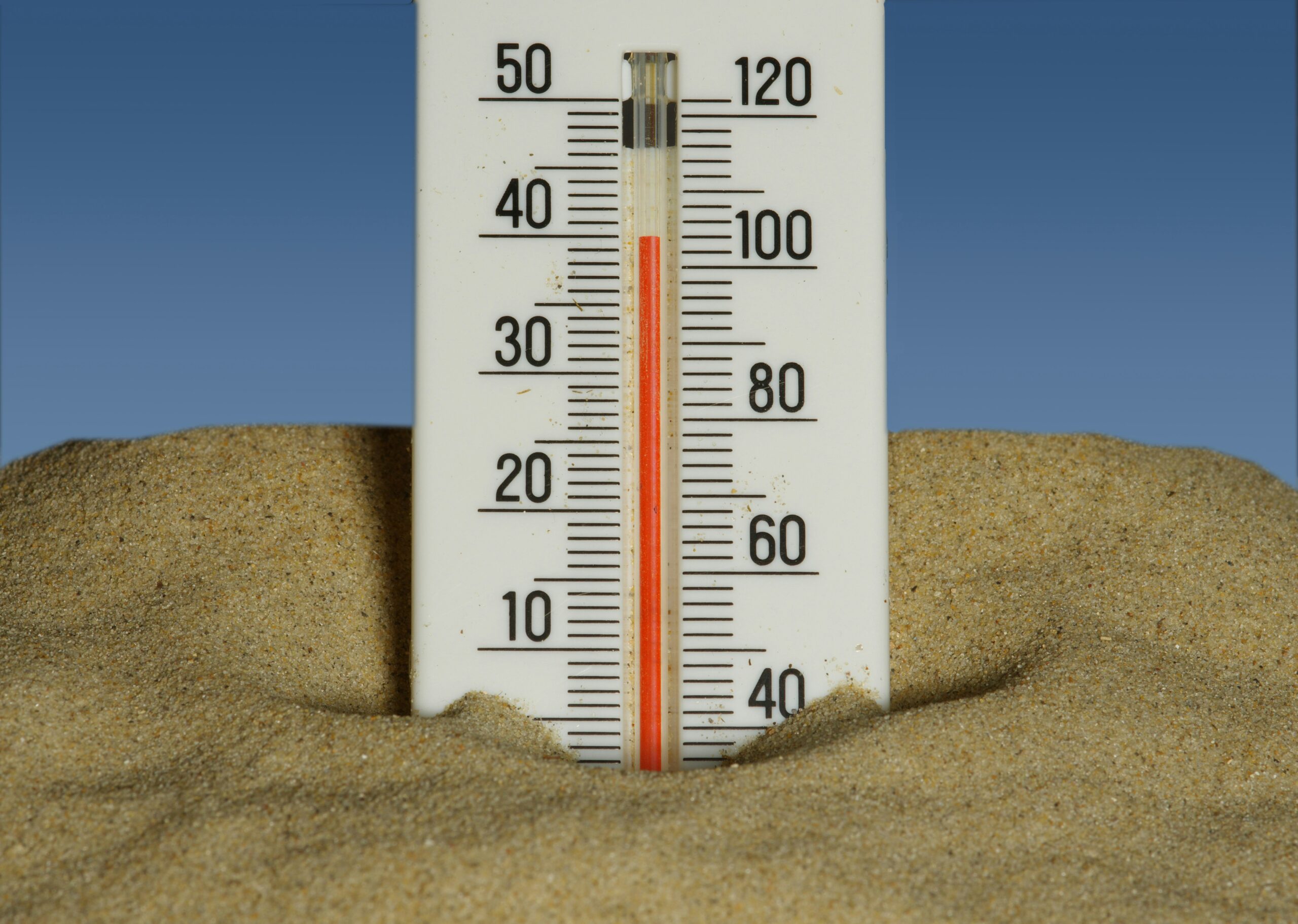
Photo by Immo Wegmann on Unsplash