
Some disasters arrive with a roar—earthquakes, hurricanes, tsunamis.
Drought does not.
It doesn’t shake the ground or tear off roofs.
It creeps in quietly, day after day, under a spotless blue sky.
At first it looks like “just another dry spell.”
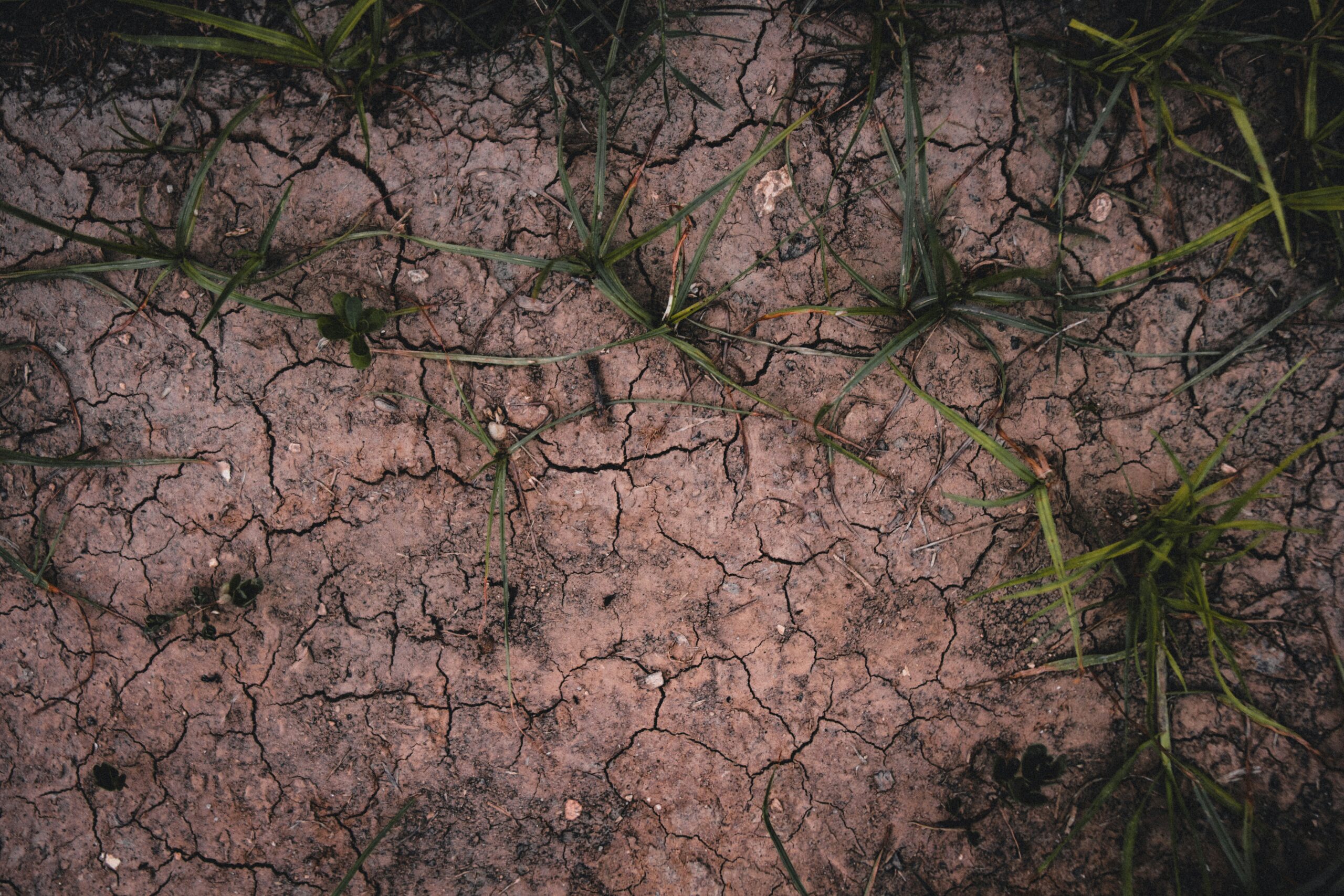
By the time everyone realizes it’s more than that, the rivers are thin, the soil is cracked, and entire communities are praying for rain that refuses to come.
That is drought: a disaster made not of too much water, but of almost none at all.
What is drought, really?
Drought is a long period with little or no rain, compared to what is normal for a region.
It is not just “hot weather” or “a dry week.” It’s when the balance breaks:
– Less rain falls than usual
– The land, rivers, reservoirs, and underground aquifers don’t get refilled
– More water is used or evaporates than is replaced
Over months or years, this slow imbalance turns into a crisis.
Because drought doesn’t strike in a single dramatic event, it’s easy to underestimate—until its consequences become impossible to ignore.
The many faces of a rainless world
Drought affects much more than just “dry ground.” It touches almost every part of life.
-
Crop failures and dying fields
Plants rely on a delicate balance of water in the soil. Without it:
– Seeds don’t sprout.
– Leaves wilt, turn yellow or brown, and drop.
– Yields shrink or vanish entirely.Farmers watch as their fields, once green and full of promise, turn into dust. Food supplies drop. Prices rise. In the worst cases, entire harvests are lost, leading to hunger and famine—especially in countries where people already live close to the edge.
-
Water shortages
Drought doesn’t just starve the land, it also starves the pipes.
– Rivers shrink.
– Reservoirs and lakes recede, exposing cracked shorelines.
– Wells run deeper and deeper as groundwater levels fall.Communities may face:
– Water restrictions (no lawn watering, limited washing, strict use rules)
– Dry taps in rural or poorly managed regions
– Conflicts between agriculture, cities, and industry over who gets the remaining water -
Wildfires
Dry vegetation becomes fuel.
– Forests, grasslands, and scrublands turn into vast fields of tinder.
– A spark—from lightning, a power line, or a careless human—can ignite massive wildfires that spread rapidly.These fires can:
– Destroy homes and habitats
– Send dangerous smoke over cities far away
– Release stored carbon into the atmosphere, worsening climate change -
Ecosystems unraveling
Rivers and wetlands shrink or disappear.
– Fish die when streams become too shallow or warm.
– Birds and animals lose watering holes and feeding grounds.
– Trees weakened by drought become more vulnerable to insects and disease.An entire web of life can shift or collapse in ways that are hard to reverse.
-
Human health and mental strain
Drought can contribute to:
– Malnutrition and weakened immune systems when food becomes scarce
– Respiratory issues from dust and wildfire smoke
– Stress, anxiety, and depression among farmers, herders, and families who lose their livelihoodsIt’s a quiet disaster, but its emotional weight is enormous. A failed rainy season can break more than just the soil—it can break spirits.
The slow timeline of a drought
Unlike a storm that arrives and departs within hours or days, drought builds on a long, painful timeline:
– It begins with a season that’s “drier than normal.”
– People hope the next season will bring relief.
– When it doesn’t, reservoirs fall, crops falter, and the word “drought” replaces “dry spell.”
– Governments declare emergencies.
– Livestock is sold or slaughtered early because there’s no grass or feed.
– Families move, leaving behind land that can no longer support them.
Sometimes drought ends with heavy rain that finally returns.
Other times, it lingers, changing the landscape and the economy for years after the clouds come back.
Why droughts are becoming harder to ignore
Droughts have always existed. Ancient texts, myths, and histories are full of stories about rain that did not come and the suffering that followed.
But modern pressures are making droughts more dangerous in many regions:
– Growing populations demand more water for drinking, farming, and industry.
– Rivers are heavily dammed and diverted, leaving less natural flow during dry periods.
– Overuse of groundwater drains aquifers faster than they can refill.
On top of this, a warming climate affects drought in complex ways:
– Higher temperatures increase evaporation from soil, lakes, and reservoirs.
– Heat can stress plants even when some water is available.
– Some regions are seeing more frequent or longer dry periods, making traditional water cycles less predictable.
The result: when drought comes, it often hits harder, because there is less natural resilience in the system.
When lack of water becomes conflict
Drought doesn’t just stress ecosystems; it stresses societies.
– Farmers may lose their income, leading to migration from rural to urban areas or across borders.
– Tensions can grow between upstream and downstream users of rivers, or between regions and countries sharing the same water sources.
– Competition for scarce water can inflame existing political, ethnic, or economic conflicts.
In this way, drought can act like a match thrown onto dry straw—not always causing conflict on its own, but making it easier for tensions to ignite.
Can we outsmart a rainless sky?
We cannot command the clouds. But we can decide how wisely we use the water we have and how prepared we are when the sky stays silent.
Some key strategies include:
-
Smarter agriculture
– Using drought-tolerant crops and seeds
– Improving irrigation efficiency (drip systems instead of open canals)
– Practicing soil conservation to keep moisture in the ground (mulching, cover crops, reduced tillage) -
Better water management
– Fixing leaks in water supply systems
– Storing water during wet years for use in dry ones
– Reusing treated wastewater where appropriate
– Protecting and restoring wetlands and aquifers that act as natural reservoirs -
Planning and policy
– Clear drought plans: who gets water first, what restrictions are triggered, how farmers and vulnerable communities are supported
– International cooperation over shared rivers and lakes
– Early warning systems using climate and rainfall forecasts to prepare before crisis hits -
Personal awareness
– Understanding where your water comes from
– Using water more efficiently at home
– Supporting policies and practices that protect long-term water security, not just short-term convenience
The emptiness that teaches
Drought is a cruel teacher. It shows us:
– How dependent we are on something we cannot see: the invisible cycle of evaporation, clouds, and rain.
– How quickly “normal” can unravel when the sky withholds its gift.
– How much we have taken water for granted.
But it can also push societies toward change:
– New technologies to save and recycle water
– New ways of growing food with less waste
– New respect for landscapes that store water naturally—forests, wetlands, healthy soil
In the end, drought is not only about absence. It is about revelation.
It reveals which systems are fragile.
It exposes how unprepared we are when the rain does not come.
And it challenges us to build a world where even when the sky forgets to give, we do not immediately fall apart.
On a planet of oceans and rivers, it is easy to believe water will always be there.
Drought is the quiet reminder that even on a blue planet, thirst is never as far away as we think.
Photo by Valerie Sidorova on Unsplash