
Parenting has always carried weight. But modern parenting carries an added layer that previous generations never had to manage: the awareness of planetary crisis.
Children today grow up hearing words like climate change, extinction, pollution, and scarcity before they fully understand time or consequence. The intention behind eco-friendly parenting is noble. The risk, however, is real. Awareness can quietly slide into anxiety if not handled with care.
The challenge is no longer whether to raise conscious children. It is how to do so without overwhelming them.
When responsibility becomes too heavy
Children are natural observers. They absorb emotional tone long before they grasp facts. When sustainability is framed through fear, guilt, or urgency, kids often internalize a sense of personal responsibility for problems far beyond their control.
Well-meaning messages can land as pressure. Turn off the lights or the planet suffers. Don’t waste food or animals die. Save water or disaster follows.
Over time, this framing can create helplessness rather than empowerment.
Eco-friendly parenting must begin with emotional safety before environmental responsibility.
From fear to relationship
The most effective way to raise environmentally conscious children is not through statistics or warnings. It is through relationship.
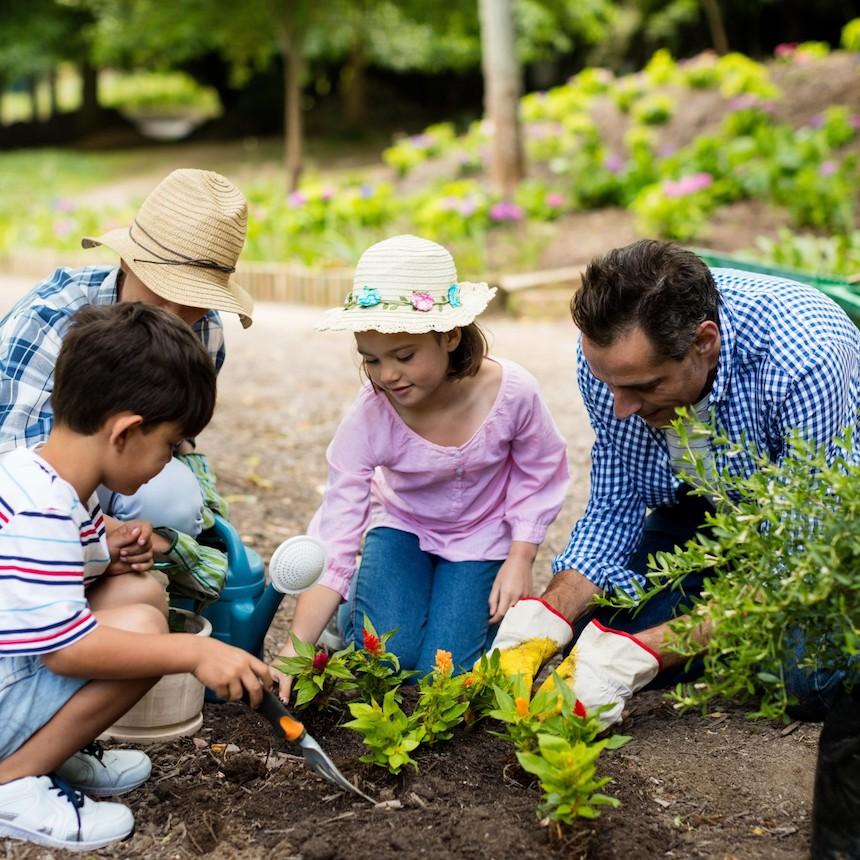
Children who develop a bond with nature naturally want to protect it. They don’t need to be convinced. They need access. Dirt under their nails. Trees they recognize. Water they play near. Seasons they experience with their bodies, not just words.
Love comes before responsibility.
When children feel connected to the natural world, care becomes intuitive rather than enforced.
Sustainability as normal life, not a moral test
One of the healthiest shifts parents can make is removing moral pressure from eco-friendly choices.
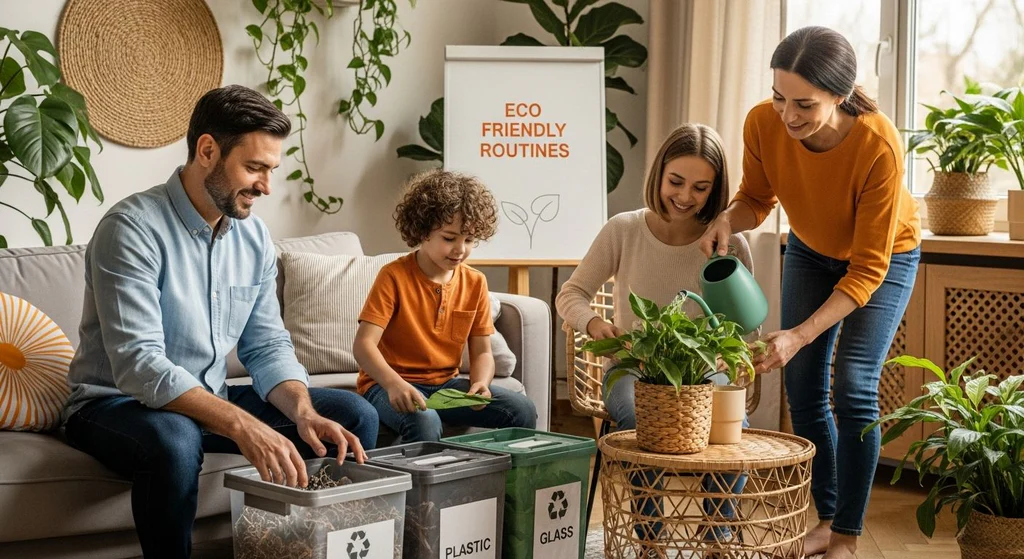
Recycling becomes routine, not heroic. Walking instead of driving becomes preference, not punishment. Eating less packaged food becomes habit, not sacrifice.
Children thrive when sustainability is modeled quietly, without constant explanation or applause. What feels normal becomes internalized. What feels performative often creates resistance.
Eco-friendly parenting works best when it is lived, not announced.
Teaching limits without teaching doom
Children do need honesty. Shielding them completely is neither realistic nor helpful. But honesty does not require catastrophizing.
Parents can explain environmental challenges while emphasizing solutions, adaptability, and collective action. The message should never be “it’s all on you.” It should be “people are learning, adjusting, and working together.”
This framing builds resilience rather than fear.
Children don’t need to carry the weight of the future. They need to trust that adults are handling it responsibly.
Emotional well-being is part of sustainability
A burned-out, anxious child is not a sustainable outcome.
True eco-friendly parenting includes rest, joy, play, and emotional regulation. It values mental health as much as environmental health. It recognizes that a nervous system under constant stress cannot care deeply or act thoughtfully.
Calm children grow into thoughtful adults.
If sustainability costs emotional stability, the approach needs adjusting.
Realism over perfection
One of the most damaging myths surrounding eco-friendly living is the idea of perfection.
Children watching parents obsess over waste, guilt themselves for every plastic item, or criticize others for imperfect choices learn that sustainability is rigid and unforgiving. This creates pressure and shame.
Instead, realism teaches flexibility.
Sometimes convenience is necessary. Sometimes compromise happens. Sometimes choices are imperfect. And that is acceptable.
Children raised with this mindset learn adaptability rather than rigidity.
Raising future adults, not eco-icons
The goal of eco-friendly parenting is not to raise children who feel morally superior or constantly burdened. It is to raise adults who are thoughtful, grounded, and capable of making balanced decisions.
Children who feel safe, supported, and connected are far more likely to care about the world around them in meaningful ways.
They don’t need to save the planet alone. They need to feel like they belong to it.
Eco-friendly parenting succeeds when sustainability becomes part of a full, healthy life rather than its central anxiety. When care replaces fear. When awareness grows alongside joy.
That balance is where the next conscious generation truly begins.