

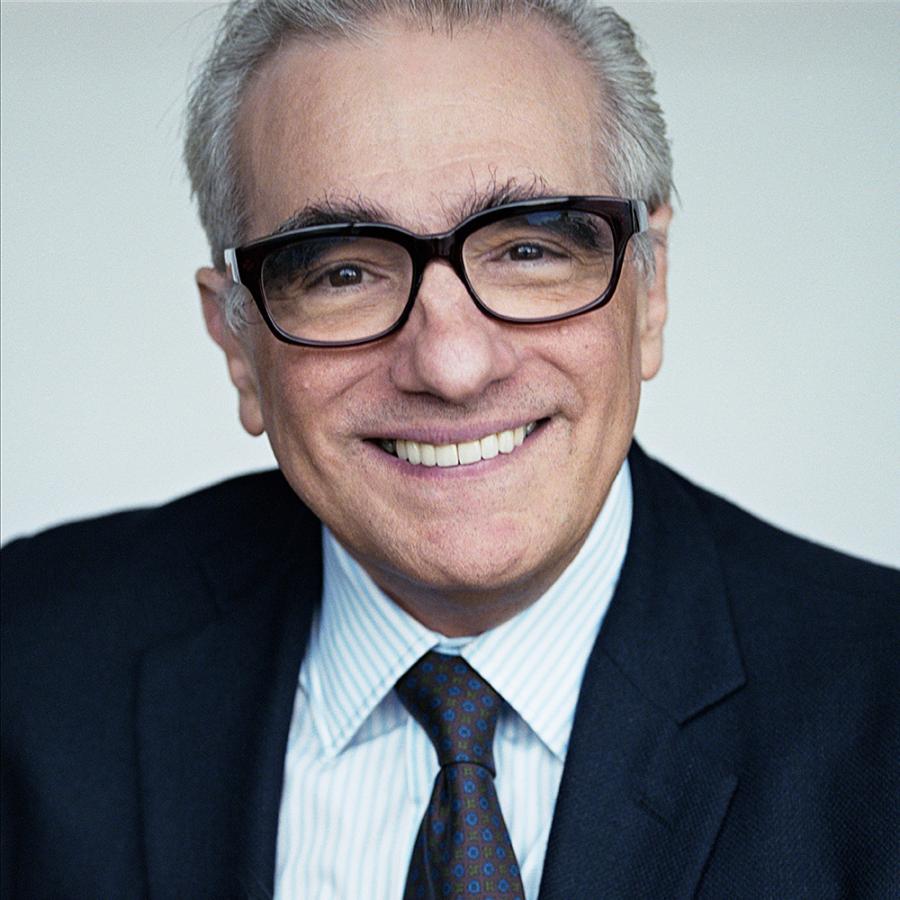
Martin Scorsese makes films that breathe, bleed, and remember.
Born in 1942 in New York City, Scorsese grew up surrounded by stories. The streets of Little Italy, the rituals of Catholicism, the pull of violence and loyalty, the weight of guilt and redemption, all of these became the raw material of his cinema. Too asthmatic to play outside as a child, Scorsese watched movies instead, studying them not as entertainment, but as language.
From the beginning, Scorsese understood film as a moral and emotional battlefield. His characters are rarely heroes in the traditional sense. They are conflicted, obsessive, searching for meaning while trapped by their own flaws. Whether gangsters, loners, musicians, or preachers, Scorsese’s figures are driven by desire and haunted by consequence.
With films like Taxi Driver, Raging Bull, and Goodfellas, Scorsese redefined American cinema. His style is electric: rapid editing, expressive camera movement, carefully chosen music, and moments of sudden stillness that hit like confessionals. Every technical choice serves psychology. The camera does not observe. It participates.
Violence in Scorsese’s films is never casual. It is seductive and repulsive at once, mirroring the way power operates in real life. He shows how charisma can coexist with cruelty, how success can rot from the inside, and how identity can collapse under the weight of ego. His films do not glamorize sin. They expose its cost.
Faith is a constant undercurrent in Scorsese’s work. Even in crime stories, questions of guilt, redemption, and judgment linger. Films like The Last Temptation of Christ and Silence reveal a filmmaker wrestling openly with belief, doubt, sacrifice, and spiritual responsibility. Scorsese does not offer answers. He stages the struggle.
Beyond directing, Scorsese is one of cinema’s greatest historians and defenders. He has spent decades preserving classic films, advocating for film restoration, and reminding new generations that cinema has a memory worth protecting. For Scorsese, film is not content. It is culture.
What sets Martin Scorsese apart is urgency. Even after decades of acclaim, his films feel restless, alive, unfinished in the best way. He works as if time matters, as if each project is another chance to say something essential before the light fades.
Martin Scorsese turned personal obsession into universal language. His films do not ask us to admire them. They ask us to confront ourselves.




msiqwb