

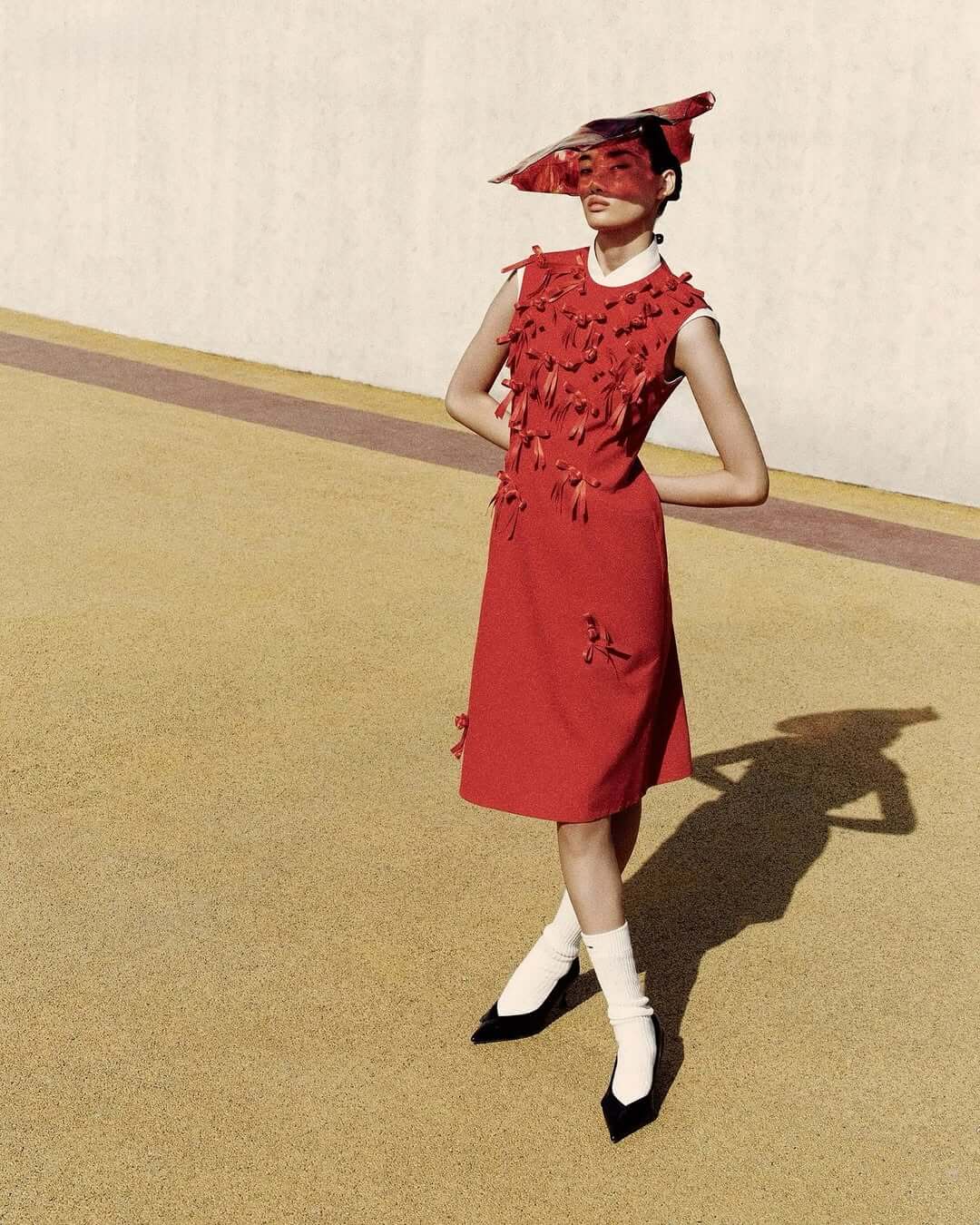
Not trends, but a cultural shift in how we value clothing
Fast fashion once promised freedom. Clothes were cheap, accessible, and endlessly new. Style felt democratic. Trends moved quickly, and participation felt effortless. But beneath that speed was a system built on exhaustion, waste, and invisibility.
Now, something is breaking.
Not suddenly, and not cleanly, but unmistakably. Fast fashion is no longer exciting. It is overwhelming. And more people are beginning to ask not what’s next, but what is enough.
When Speed Became the Problem
Fast fashion was designed around acceleration. Shorter production cycles. Lower costs. Constant novelty. The goal was not quality or longevity, but volume.
At first, this felt empowering. Fashion no longer belonged only to elites. Anyone could experiment, change, and participate.
Over time, speed lost its appeal.
Closets filled faster than identities could keep up. Trends blurred into noise. Clothing lost emotional value. What arrived quickly was discarded just as fast.
The thrill wore off.
The Hidden Cost Becomes Visible
What fast fashion kept hidden is now widely understood. Environmental damage, labor exploitation, and massive waste are no longer abstract concepts. They are documented, shared, and impossible to ignore.
When a single garment is worn a few times and then discarded, its true cost does not disappear. It accumulates elsewhere, in landfills, in polluted water, in invisible labor.
Awareness changes desire.
Once people see the system clearly, participating without discomfort becomes harder.
Trend Fatigue
There is also a psychological cost to constant novelty. When everything is trending, nothing feels meaningful.
People are tired of being told what to buy next. Tired of wardrobes that expire emotionally before they wear out physically. Tired of style that feels imposed rather than chosen.
Fast fashion trained consumers to chase relevance. Now many are choosing coherence instead.
What Comes Next Is Slower
The future of fashion is not one new trend replacing another. It is a shift in values.
Clothing is beginning to matter again, not because it is new, but because it lasts. Quality, fit, and versatility regain importance. Garments are expected to live longer, age better, and hold personal meaning.
Slowness becomes a feature, not a flaw.
Buying less becomes a form of clarity, not sacrifice.
Ownership Over Consumption
What replaces fast fashion is not austerity. It is intention.
People want clothes they understand, not just acquire. They want to know where something came from, how it was made, and why it belongs in their lives.
Ownership becomes emotional rather than transactional.
Clothes return to being companions, not content.
Repair, Reuse, and Reinterpretation
As speed loses dominance, practices once considered outdated return. Repair becomes respectable. Rewearing becomes stylish. Reinterpretation becomes creative.
A garment’s history adds value rather than subtracting it.
Wearing something again is no longer a failure to keep up. It is a statement of confidence.
Style Over Trends
Trends move outward. Style moves inward.
The decline of fast fashion signals a deeper change: people want clothes that reflect who they are, not what is currently popular. Personal style becomes more important than seasonal relevance.
This shift favors individuality over imitation.
Ethics as Identity
For many, how clothes are made becomes part of identity. Ethics is no longer separate from aesthetics. Values influence taste.
This does not mean perfection. It means awareness.
Fashion choices become a way of aligning actions with beliefs, even imperfectly.
A Quieter Fashion Future
The end of fast fashion does not mean the end of fashion. It means the end of mindless consumption.
What comes next is quieter, slower, and more deliberate. Fewer pieces. Better choices. Longer relationships with what we wear.
Fashion stops racing and starts listening.
The Real Shift
Fast fashion is not ending because people stopped loving clothes. It is ending because people want clothing to mean something again.
What comes next is not about buying differently.
It is about valuing differently.
And that shift may be the most radical trend fashion has seen in decades.


