

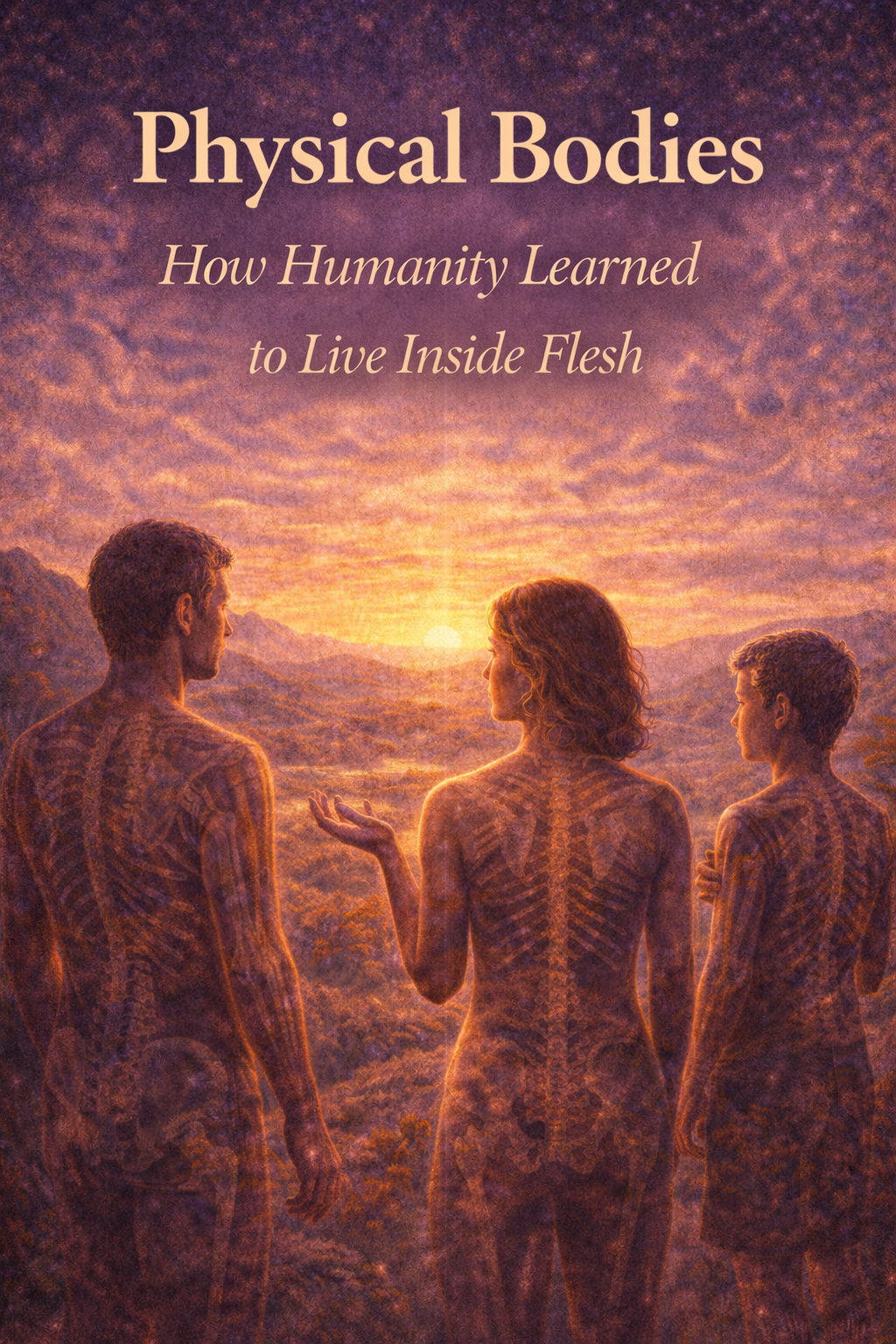
Before language, before tools, before ideas, there was the body. The physical body is humanity’s first home, the original technology through which we experienced the world. Every age, from stone to digital, has reshaped how we understand our bodies, but the body itself remains the constant bridge between existence and meaning.
We do not merely have bodies. We are bodies.
The Body as the First Interface
Long before humans built machines, the body was the interface between inner life and outer reality. Through it, we sensed danger, pleasure, hunger, warmth, and connection. Movement was language. Touch was memory.
The earliest human knowledge was embodied knowledge:
-
How to run
-
How to grip
-
How to balance
-
How to endure
The body learned before the mind explained.
Bodies Before Civilization
In early human societies, physical bodies were inseparable from survival. Strength, stamina, and awareness determined life expectancy. The body was trained by necessity, shaped by climate, terrain, and labor.
There was no separation between body and identity. To exist was to move, hunt, gather, carry, and protect.
The body was not judged. It was trusted.
Civilization and Control of the Body
As civilizations formed, bodies became regulated.
Societies began to:
-
Assign labor based on physical ability
-
Define gender roles through bodies
-
Mark status through clothing and posture
-
Discipline bodies through laws and rituals
The body shifted from a natural instrument to a social object.
With structure came hierarchy. Some bodies were valued more than others.
The Body and Power
Throughout history, power has always tried to control bodies.
Who could move freely, who could rest, who could reproduce, who could fight, and who could heal were political questions. Slavery, warfare, labor systems, and medical authority all revolved around bodies.
The body became a site of power, resistance, and survival.
The Mind–Body Divide
As philosophy advanced, particularly in the modern era, humans began separating mind and body. Thought was elevated. Flesh was seen as secondary, sometimes even as a limitation.
This divide shaped science, medicine, and culture. Bodies were measured, categorized, corrected, and optimized.
Yet no matter how abstract thought became, it could never escape the body that housed it.
Bodies in the Industrial and Digital Ages
Industrialization transformed bodies into labor units. Time clocks, factories, and schedules disciplined movement. The body became productive or disposable.
The Digital Age further altered this relationship. Physical presence became less necessary. Work, communication, and identity migrated into screens.
For the first time, humanity began living away from the body, even while still inside it.
This created a paradox: bodies became more visible and more ignored at the same time.
The Body in the Age of Technology
Today, bodies are monitored, augmented, and optimized. We track steps, sleep, heartbeats, hormones, and emotions. Medicine can replace organs, extend life, and alter appearance.
At the same time, many people feel disconnected from their own physical presence.
The question is no longer just what can bodies do, but how do we remain embodied in a world that rewards disembodiment?
The Return to the Body
In response to digital saturation, a quiet return is happening.
People are rediscovering:
-
Breath
-
Touch
-
Movement
-
Sensation
-
Rest
Practices centered on physical awareness are rising not as trends, but as necessities. The body is reclaiming its role as a source of wisdom, not just performance.
Bodies and Identity
The body carries memory. Trauma, joy, illness, pleasure, and love all leave physical traces. Identity is not purely mental. It is lived through posture, voice, expression, and presence.
To understand the body is to understand lived experience.
Why Physical Bodies Still Matter
No matter how advanced technology becomes, humans cannot escape embodiment.
Bodies remind us:
-
That we are finite
-
That we are vulnerable
-
That we need care
-
That we experience reality through sensation
The future may be intelligent, ethical, and augmented, but it will still be lived through physical bodies.
The First and Final Home
The body is the first place we ever lived, and the last one we will leave. It connects us to nature, to others, and to time itself.
Every age changes how we treat the body. But the body remains the quiet witness to all of them.
In remembering the body, humanity remembers itself.