Art as the language of imagination
Children think in images before they think in sentences. Drawing, painting, sculpting, and crafting allow them to express ideas that are still forming in their minds. When a child draws a flying house or invents a creature that has never existed, they are practicing imagination, the ability to picture possibilities beyond what is immediately visible. This skill becomes the foundation for creativity later in life, whether in science, storytelling, engineering, or problem-solving.
Brain development through creative play
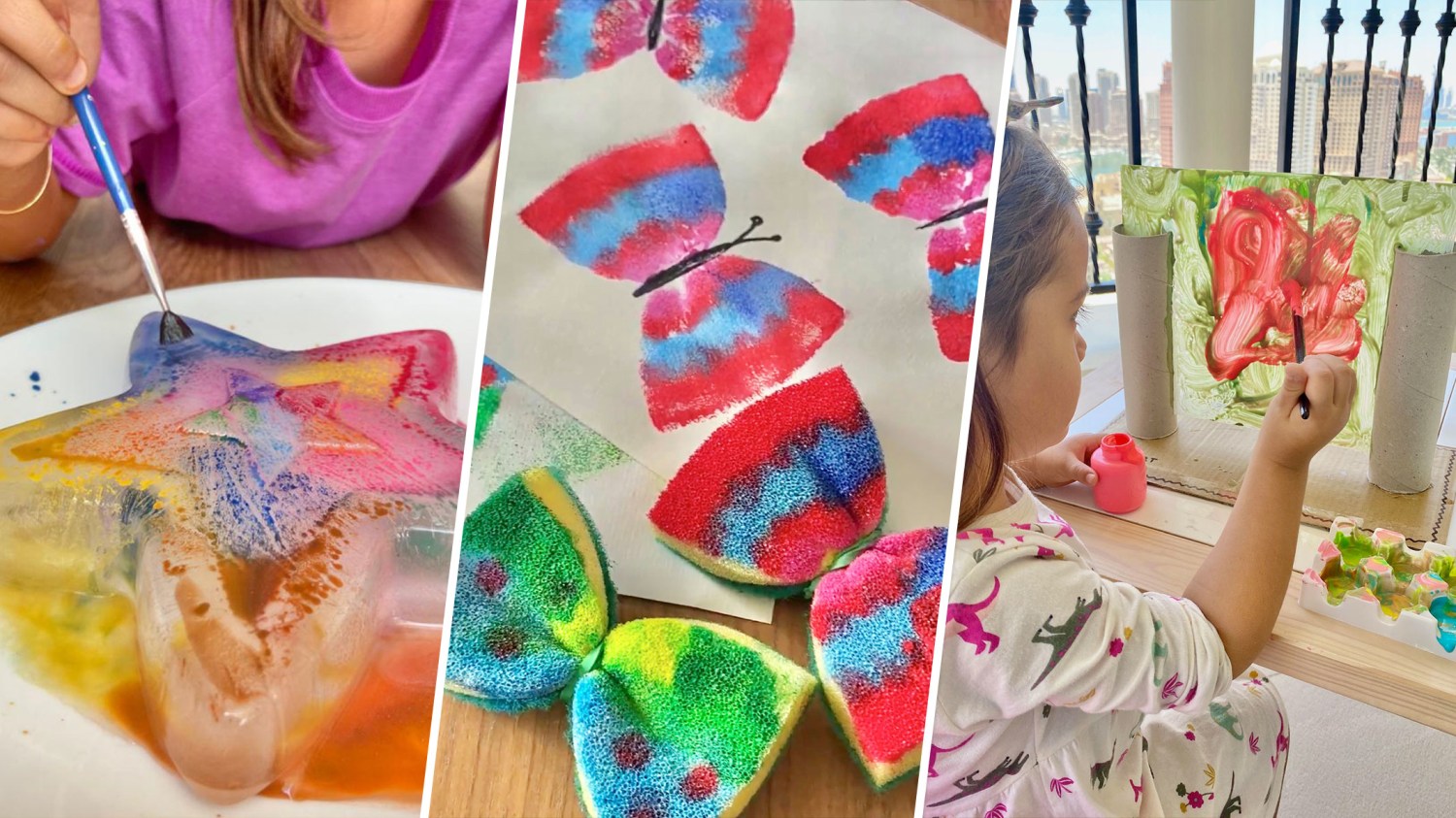
Art engages multiple areas of the brain at once. Fine motor skills are activated when children hold brushes, cut paper, or mold clay. Visual processing is used when they choose colors, shapes, and spatial relationships. At the same time, emotional centers of the brain are involved as children express feelings they may not yet have the vocabulary to name. This combination strengthens neural connections and supports overall cognitive development.
Art also helps children learn how to plan and adapt. When a drawing does not turn out as expected, the brain practices flexibility. Children learn that mistakes are not failures but part of the creative process. This builds resilience and confidence, skills that directly transfer to learning math, reading, and social interaction.
Emotional intelligence and self-expression
For many children, art becomes a safe space. Through colors and forms, they can communicate joy, fear, anger, or curiosity without pressure. This is especially important for children who are shy, anxious, or processing complex emotions. Creating art helps regulate emotions and encourages self-awareness, both essential components of mental health.
When adults value children’s artwork, they send a powerful message: your thoughts matter. This validation supports healthy self-esteem and encourages children to trust their inner voice.
Problem-solving and critical thinking
Art naturally invites questions. What happens if I mix these colors? How can I make this shape stand up? How do I show movement on a flat page? These small creative decisions strengthen problem-solving skills. Unlike tasks with one correct answer, art teaches children that there are many solutions to the same challenge. This open-ended thinking is crucial for innovation later in life.
Social skills and collaboration
Group art activities teach children how to share space, materials, and ideas. They learn to observe others, respect different perspectives, and collaborate toward a common goal. Discussing art also builds communication skills, helping children describe their thoughts and listen to others without judgment.
Why art should never be optional
When art is removed from education or treated as secondary, children lose a vital way of learning about themselves and the world. Art does not distract from academic success. It supports it. Studies consistently show that creative engagement improves focus, memory, and motivation.
Conclusion
Art helps children grow not only smarter, but more human. It trains the brain to imagine, adapt, feel, and connect. In a world that increasingly values speed and efficiency, art reminds children that exploration, curiosity, and creativity are strengths. When we give children access to art, we give them tools to build minds that can dream, question, and create futures that do not yet exist.





The app is very lightweight and doesn’t lag at all on my phone. Downloading bdbc777apk was the best decision for gaming on the go.
The energy on this site is awesome. The games are exciting and the promotions are always updated. Go to phfierylogin